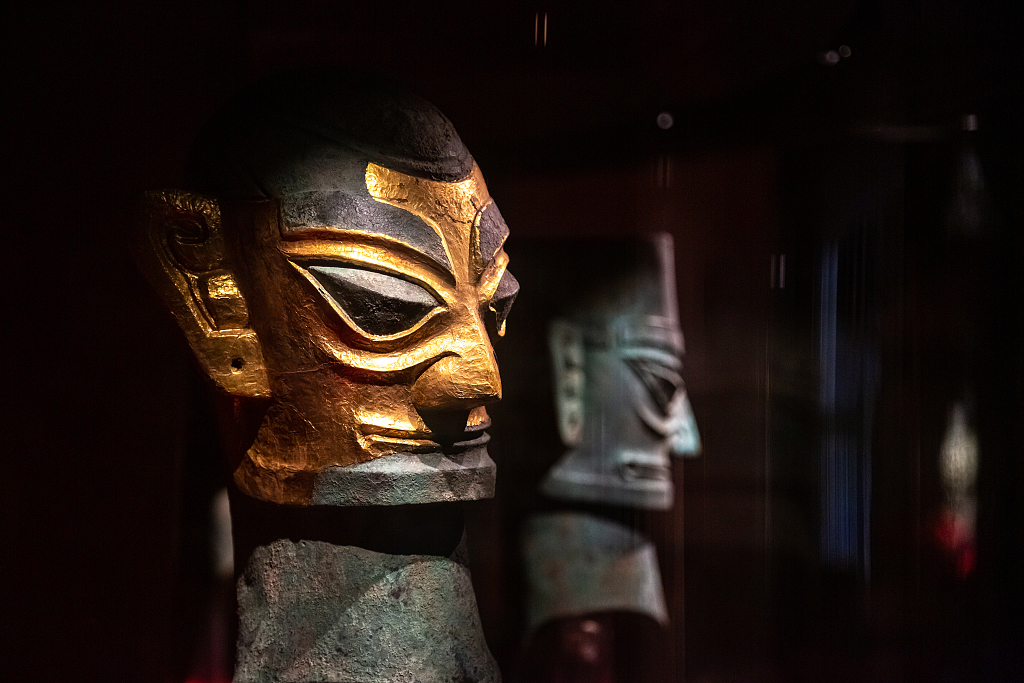
Ancient Shu Culture
Introduction
The Ancient Shu Culture refers to the civilization associated with the Shu State, which thrived during the pre-Qin period in the region now known as Sichuan province in southwestern China. This culture is renowned for its mysterious and esoteric characteristics that have captured the interest of historians and archaeologists alike due to its rich and distinctive attributes, as well as its integration into the larger tapestry of Chinese civilization during the Eastern Zhou Dynasty (770-256 BC).
Historical Background
The Shu State's history is marked by its enigmatic existence, with limited historical records available aside from brief folk tales. However, significant archaeological discoveries have shed light on the emergence, evolution, and eventual extinction of this ancient kingdom. The ancient Shu culture reached its zenith during the Xia and Shang dynasties (c.21st century-11th century BC) and gradually merged into the broader Chinese civilization by the mid-second century BC.
Archaeological Discoveries
Sanxingdui Site
The Sanxingdui site, located along the Yazi River in Guanghan city, Sichuan province, is one of the most significant archaeological discoveries related to the Shu culture. Spanning more than 12 square kilometers, it is considered the grandest ancient Shu culture center and the highest level ancient capital city site of southwestern China during the Xia and Shang dynasties. The site is a collection of ruins from the Bronze Age, comprising an ancient city, dwellings, tombs, and other smaller sites.
Famed for its unique aesthetic value and mysterious connotations, the unearthed relics from Sanxingdui include glorious bronze wares with fantastic designs. These artifacts are showcased in the Sanxingdui Museum, which features permanent exhibitions under the themes of Ancient City, Ancient State, and Ancient Shu Culture. Key sections of the Sanxingdui National Archeological Site Park include the sites of the west city wall, the moon bay city wall, the moat, sacrificial pits, an archaeological working station, and the Sanxingdui Museum.
Jinsha Site
The Jinsha site in Chengdu, another prominent archaeological site, further reveals the intricacies of the Shu culture. A peculiar bronze artifact unearthed here, dating back to the Shang and Zhou dynasties (c.16th century-256 BC), has sparked intrigue and debate. The artifact, despite its humanoid form, intriguingly lacks a head. The symmetrical small holes on the neck and calves suggest it might have been an ornamental pendant on a larger ceremonial object. This artifact resides at the Chengdu Jinsha Site Museum.
Qingyanggong Site
Excavations at the Qingyanggong relic site have also contributed to the understanding of the Shu kingdom's emergence and development. Artifacts from these sites are often characterized by mysterious patterns that continue to arouse interest and debate regarding the messages they convey.
Exhibition of Ancient Shu Culture
Exhibitions showcasing the artifacts from the Shu culture have been held in various locations, including the Zhejiang West Lake Gallery and Beijing's National Museum of China. These exhibits bring together cultural relics from the Sanxingdui, Jinsha, and Qingyanggong sites, loaned from multiple museums and archaeological institutions in Sichuan. The artifacts displayed include bronzes, gold foil accessories, jade items, and pottery, offering a glimpse into the ancient Shu civilization's artistry and craftsmanship.
Cultural Connections and Comparisons
Interestingly, ancient Peruvian civilizations, particularly the Inca, share remarkable similarities with the ancient Shu culture. Both cultures held a deep reverence for the sun and gold, as well as developed advanced water-management systems. These striking parallels offer insights into broader patterns of human civilization and their development across different geographical areas.








